Skip to content

Sending solar panels – breakage-proof transport for PV modules and inverters

You send solar panels breakage-proof, because PV modules are large-format glass surfaces with sensitive cell connectors and microcracks from impacts or stacking pressure stay invisible on the outside: the core factor is little handling – modules stay on the manufacturer pallet and travel without transhipment.

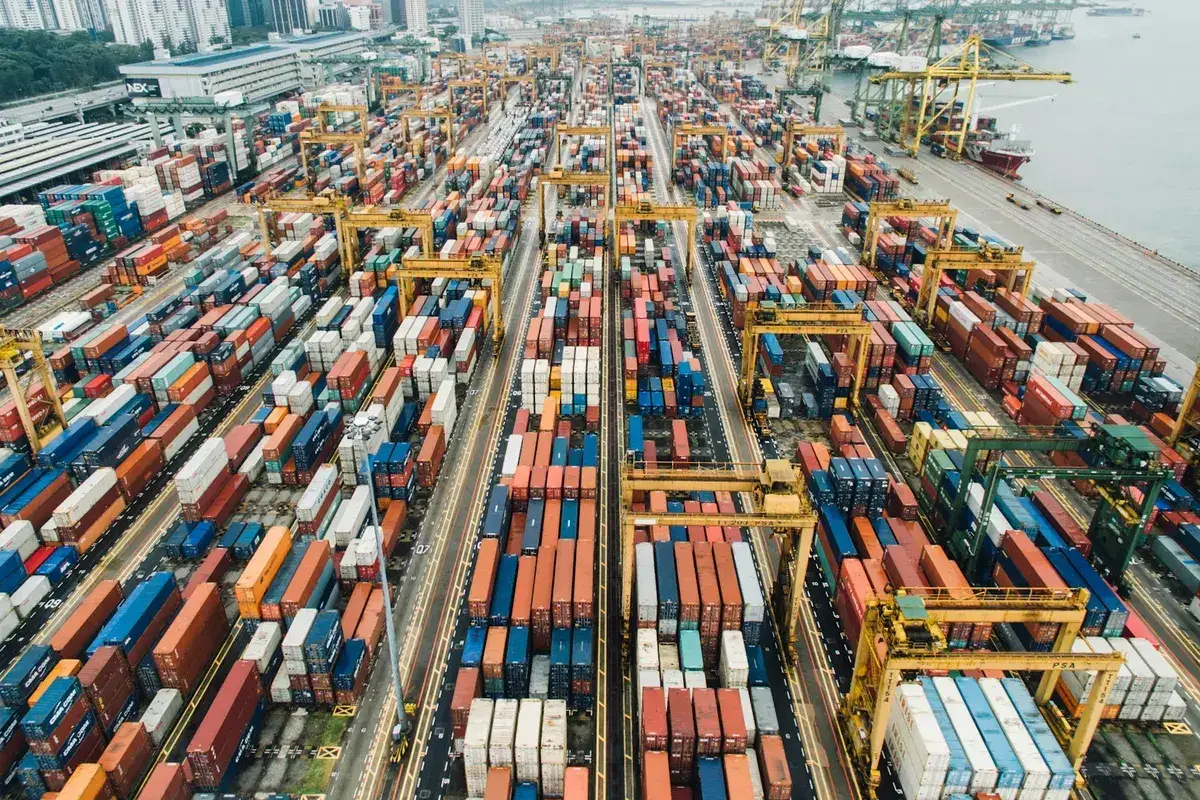
Container port with loading cranes from a bird's-eye view

Photovoltaic modules are large-format glass surfaces with sensitive cell connectors – microcracks from impacts or incorrect stacking are often not visible on the outside, but they cost performance and warranty claims. Speed Logistics sends PV modules, inverters and mounting systems as direct transport without transhipment – from the manufacturer or wholesaler to the installer, into the warehouse or straight to the construction site.

Doing without transhipment points is the most effective breakage protection in solar transport: the pallets are loaded once and moved again only at the consignee. You receive your fixed-price offer within a few hours, and the dedicated dispatch team is available 24/7. Delivery is nationwide and throughout Europe – from the single inverter to the complete project load for the solar park.

What we transport for the solar industry

  • PV modules – glass-foil and glass-glass modules, on edge on manufacturer pallets, typically 30–36 modules per pallet
  • Inverters and storage systems – shock-sensitive electronics in original packaging; for battery storage we clarify dangerous-goods requirements in advance
  • Mounting systems and substructures – rails, hooks and small parts as a part load with the module delivery
  • Complete packages for PV projects – modules, inverters and mounting material in one delivery to the site

Breakage protection and load securing for PV modules

Modules stay on the original manufacturer pallet with corner protection and strapping – it is matched to the glass thickness and frame geometry. In the vehicle the pallets stand tight-fit, secured with lashing straps over edge protectors and anti-slip mats; pressure on the glass surfaces is consistently avoided, and stacking is done only where the manufacturer releases it. On request we run air-sprung for low-vibration transport – relevant above all for frameless glass-glass modules. Opened pallets we secure with additional corner padding and film; inverters and storage travel upright, in the correct position per manufacturer specification and separated from heavy packages. On receipt the driver checks pallets and corner protection for visible damage and documents the condition – so the chain of evidence for warranty and insurance questions stays closed.

Scheduled delivery to the construction site

PV projects are timed by the assembly plan and scaffolding standing times. We deliver by a fixed slot or date – to the installer's warehouse or straight to the construction site, coordinated with the site management. We clarify the unloading in advance: by tail lift and pallet truck with a firm access route, otherwise by forklift or crane on site. If material is missing at short notice for an ongoing project, we run inverters or replacement modules as an express direct transport, overnight too. For project business with several construction phases, we deliver in part quantities according to construction progress – this saves storage space on the site and reduces the theft risk of expensive components.

Costs and international PV transports

Costs depend on the number of pallets and loading metres, the lane and deadline pressure. From the Sprinter for individual inverters to the 40 t articulated lorry with a complete project load, we assign the right vehicle and quote you a transparent fixed price without hidden surcharges – for the enquiry, the module type, number of pallets and destination address are enough. For recurring deliveries to installation businesses we agree fixed routes and conditions. For PV projects outside the EU – such as in Türkiye or North Africa – we handle the complete customs clearance from EXW to DDP.

Frequently asked questions: Sending Solar Panels

How are solar panels transported without microcracks forming?

The decisive factors are little handling and no point loads: the modules stay on the original manufacturer pallet with corner protection, are stowed tight-fit and lashed over edge protectors – never with pressure on the glass surface. As direct transport without transhipment, the repeated transhipment that is the most common cause of invisible cell breakage is eliminated. On request we run air-sprung.

How many PV modules fit on a pallet and in a lorry?

Manufacturer pallets hold typically 30 to 36 modules depending on the module format. Into a 40 t articulated lorry fit – depending on pallet dimensions and stacking release – usually around 20 to 30 module pallets, so roughly 600 to 900 modules. For smaller quantities we assign a Sprinter or curtainside vehicle of a suitable size.

Do you deliver solar panels directly to the construction site?

Yes. We deliver by a fixed slot or date directly to the construction site, coordinated with your site management. We clarify the unloading situation in advance: with a firm access route we unload by tail lift and pallet truck, otherwise by forklift or crane on site. This way the material is ready on time for the start of assembly.

What does the transport of solar panels cost?

The decisive factors are the number of pallets or loading metres, distance and deadline pressure. Individual module pallets within Germany are usually in the mid three-figure range depending on lane and lead time, while complete project loads we calculate individually. You receive a binding fixed-price offer without hidden fees within a few hours; for recurring deliveries we agree fixed conditions.

Do you also transport inverters and battery storage?

Yes. Inverters travel as shock-sensitive electronics in original packaging, individually or as a part load with the module delivery. For battery storage with lithium cells we clarify the dangerous-goods requirements (ADR) and the permitted packaging before booking – just tell us the manufacturer, type and capacity of the storage.

What happens if the glass breaks during transport?

Every transport runs with a CMR consignment note and is subject to carrier liability under CMR; damage is documented and reported on delivery. For high-value project loads we arrange additional value insurance to the value of the goods on request. We minimise the breakage risk itself through direct transport without transhipment and proper load securing.

Common mistakes when sending solar panels – what should I watch out for?

Modules are taken off the original manufacturer pallet or stacked without release, and point loads arise on the glass surface – both create microcracks that are not visible on the outside but cost performance and warranty claims. The modules therefore stay on the pallet with corner protection and strapping, are stowed tight-fit and lashed over edge protectors, never with pressure on the glass; on request Speed Logistics runs air-sprung.

Why is direct transport the most effective breakage protection for PV modules?

Repeated transhipment is the most common cause of invisible cell breakage. As direct transport without transhipment, the pallets are loaded once and moved again only at the consignee – the transhipment points are eliminated entirely. On receipt the driver checks pallets and corner protection for visible damage and documents the condition, so the chain of evidence for warranty and insurance questions stays closed.

Request sending solar panels

Contact our dispatch team – fixed-price quote within hours, available 24/7.