Skip to content

Dangerous Goods Transport – From Lithium Batteries to Acids, Carried in Full Legal Compliance

A dangerous goods transport carries substances with a UN number – from lithium batteries (class 9) through paints (class 3) to acids (class 8) – in full legal compliance across all ADR classes 1–9. Required as soon as goods are classified in the ADR; permitted only with trained drivers, correct marking and suitable equipment.

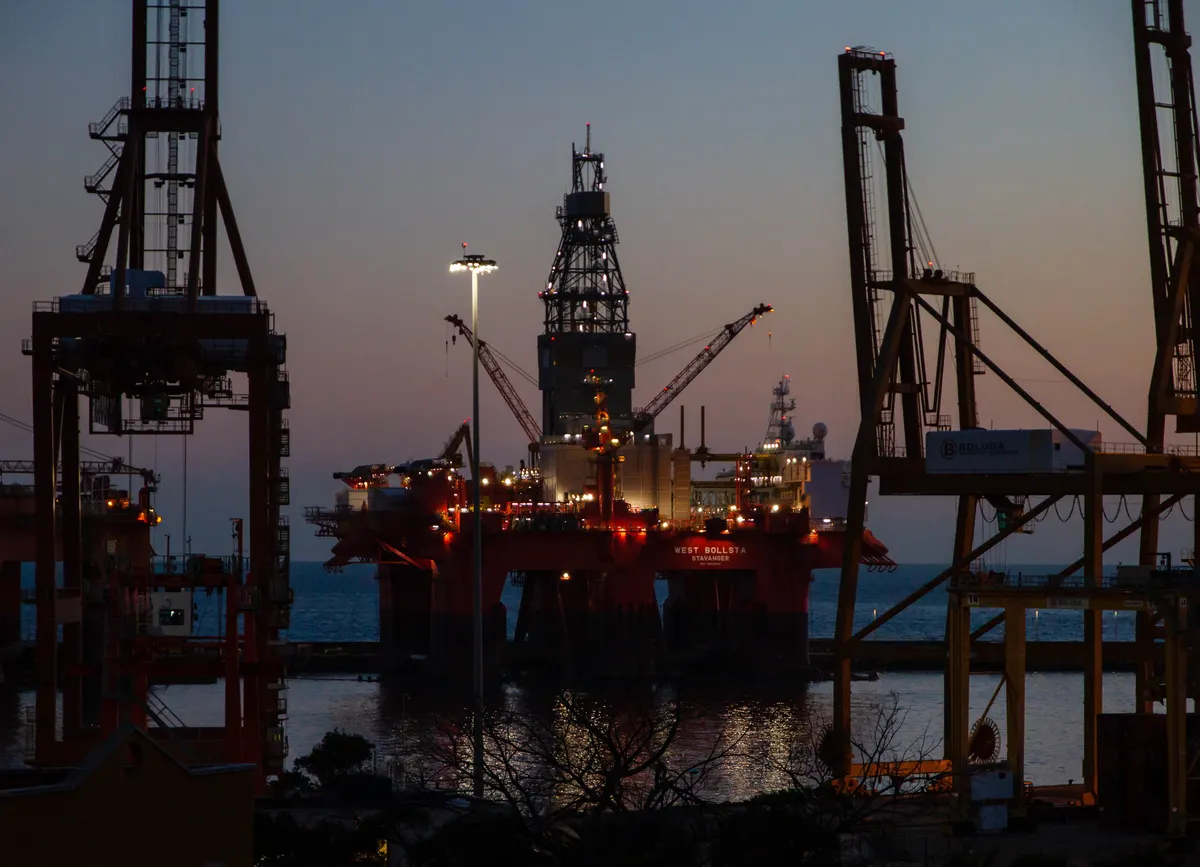
Oil and gas platform – dangerous goods transport

Lithium batteries for e-mobility, paints and hardeners for industry, acids for the chemical sector: more and more goods in B2B shipping are dangerous goods – and may only go onto the road with trained drivers, correct marking and suitable equipment. Speed Logistics handles your dangerous goods transport in full legal compliance across all ADR classes 1 to 9: in Germany, Europe and in non-EU transport including customs clearance, as a direct run without reloading.

You receive your fixed-price quote within a few hours; internal and external dangerous goods safety advisers check every job before the vehicle rolls. This way you avoid fines, demurrage during inspections and liability risks from faulty transport documents – and do not have to keep any dangerous goods specialist staff on hand for the transport part yourself.

These dangerous goods we transport

  • Lithium-ion batteries and cells (class 9) – from prototype to series delivery, including the special rules for damaged cells
  • Paints, coatings, solvents (class 3) – palletised, in drums or as IBCs
  • Acids, alkalis and corrosive substances (class 8) – on request in a tanker
  • Explosives and pyrotechnic products (class 1) – with corresponding route and permit planning
  • Gases, toxic and flammable substances of the remaining classes

Legal certainty: drivers, equipment, papers

Every dangerous goods transport runs with ADR-certified drivers and properly equipped vehicles – from warning panels through fire extinguishers to the emergency kit. Before departure we reconcile the transport document, UN numbers, packing groups and labelling; our ADR safety advisers are available both internally and as an external authority. Segregation prohibitions and tunnel categories flow directly into the tour planning, so that the stated transit time is realistic from the outset – and does not have to be corrected en route at a blocked stretch.

From canister to tanker: the right equipment

Packaged dangerous goods we run palletised in a curtain-sided or box vehicle – from the van for the single wire mesh box to the 40 t articulated truck for complete batches. For liquid goods in bulk we dispatch tanker capacity. Time-critical dangerous goods – for example when production chemicals are running low – we combine with an express direct run without reloading, on long hauls with a two-driver crew; GPS live tracking is included on every journey.

Dangerous goods international: EU and non-EU

In cross-border traffic we additionally check country-specific requirements and take over the complete customs clearance – for example for dangerous goods shipments to Türkiye or North Africa, door to door from EXW to DDP. Export papers and transit procedures we prepare in parallel, so the vehicle does not stand at the border. Worth knowing: some destination countries impose their own requirements on marking or accompanying documents that go beyond the ADR – we clarify this before departure, not at the border crossing, and agree the transit time realistically with you accordingly.

Costs and enquiry

Costs depend on the class, quantity, lane and equipment; depending on the lane and lead time, non-binding guide prices are around €499–2,999. Send us the UN number, quantity and lane – you receive the binding fixed-price quote including all dangerous goods surcharges within a few hours. For regular dangerous goods traffic – such as the weekly battery delivery or recurring chemical lanes – we agree fixed terms and store the verified substance data, so that follow-up orders start without a renewed check loop. This saves time on every transport and keeps the documentation consistent.

ADR dangerous goods classes at a glance
ADR classDangerous goodsExample
Class 1explosive substancespyrotechnics
Class 2gasescompressed gas cylinders, aerosols
Class 3flammable liquidspaints, solvents
Class 4flammable solidsself-igniting substances
Class 5oxidising substancesperoxides
Class 6toxic/infectious substancespesticides, samples
Class 8corrosive substancesacids, alkalis
Class 9miscellaneous dangerous substanceslithium-ion batteries

Frequently asked questions: Dangerous Goods Transport

When does a shipment count as dangerous goods?

Dangerous goods are any substance or article classified in the ADR with a UN number – from lithium batteries through paints and solvents to acids and aerosols. The safety data sheet and packing group are decisive. Speed Logistics checks the classification before issuing the quote and plans the transport in a correspondingly legally sound manner.

Does Speed Logistics transport lithium batteries?

Yes. Class 9 lithium-ion batteries and cells are among the most frequent dangerous goods in the programme – from prototype to series delivery. Transport takes place with ADR-certified drivers, proper marking and checked transport documents; the special rules for damaged or defective cells are also taken into account.

Can Speed Logistics also carry liquid dangerous goods in a tanker?

Yes. For liquid dangerous goods in bulk – such as acids, alkalis or solvents – Speed Logistics dispatches tanker capacity. Packaged liquids in IBCs or drums alternatively run palletised in a curtain-sided or box vehicle. Which variant is more economical is clarified by the dispatch team based on quantity and lane.

Who is liable for errors in the dangerous goods documents?

The duties are distributed in the ADR: the consignor is responsible for classification, packaging and the transport document, the carrier for the vehicle, equipment and driver qualification. Speed Logistics reconciles UN numbers, labelling and papers before departure and brings in ADR safety advisers where there is uncertainty – so errors are caught before they become liability-relevant.

How quickly can a dangerous goods transport start?

After you submit the UN number, quantity and lane, you receive a binding fixed-price quote within a few hours. If the papers and packaging are compliant, loading can take place at short notice depending on vehicle availability – time-critical dangerous goods Speed Logistics runs as an express direct run without reloading, with GPS live tracking over the entire route.

What does a dangerous goods transport cost?

The price depends on the ADR class, quantity, lane and equipment – a tanker is calculated differently from palletised goods in a curtain-sided vehicle. Depending on the lane and lead time, the non-binding guide price is around €499–2,999. Speed Logistics gives you a binding fixed price in advance including all dangerous goods surcharges.

Which mistakes lead to fines and demurrage with dangerous goods?

Typical triggers are an incorrect or missing UN number, incomplete labelling as well as ignored segregation prohibitions and tunnel categories. Speed Logistics reconciles UN numbers, packing groups, papers and vehicle equipment before departure and brings in ADR safety advisers where there is uncertainty – so errors are caught before they become liability-relevant.

Why should time-critical dangerous goods run as a direct run?

When production chemicals are running low, every hour counts. As an express direct run without reloading, the shipment stays in the same vehicle, and on long hauls a two-driver crew ensures almost continuous driving. This shortens the transit time and at the same time avoids the transhipment risk, which is especially delicate with dangerous goods.

Request dangerous goods transport

Contact our dispatch team – fixed-price quote within hours, available 24/7.