Skip to content

High-Value Transports – Secured Logistics for Goods from €50,000 Shipment Value

High-value transports secure shipments from around €50,000 goods value to TAPA FSR-A/B – with a sealed trailer, vetted code drivers, an immobiliser and seamless GPS tracking. Required because the carrier's standard liability covers only a fraction of the value and high-value goods are a preferred theft target.

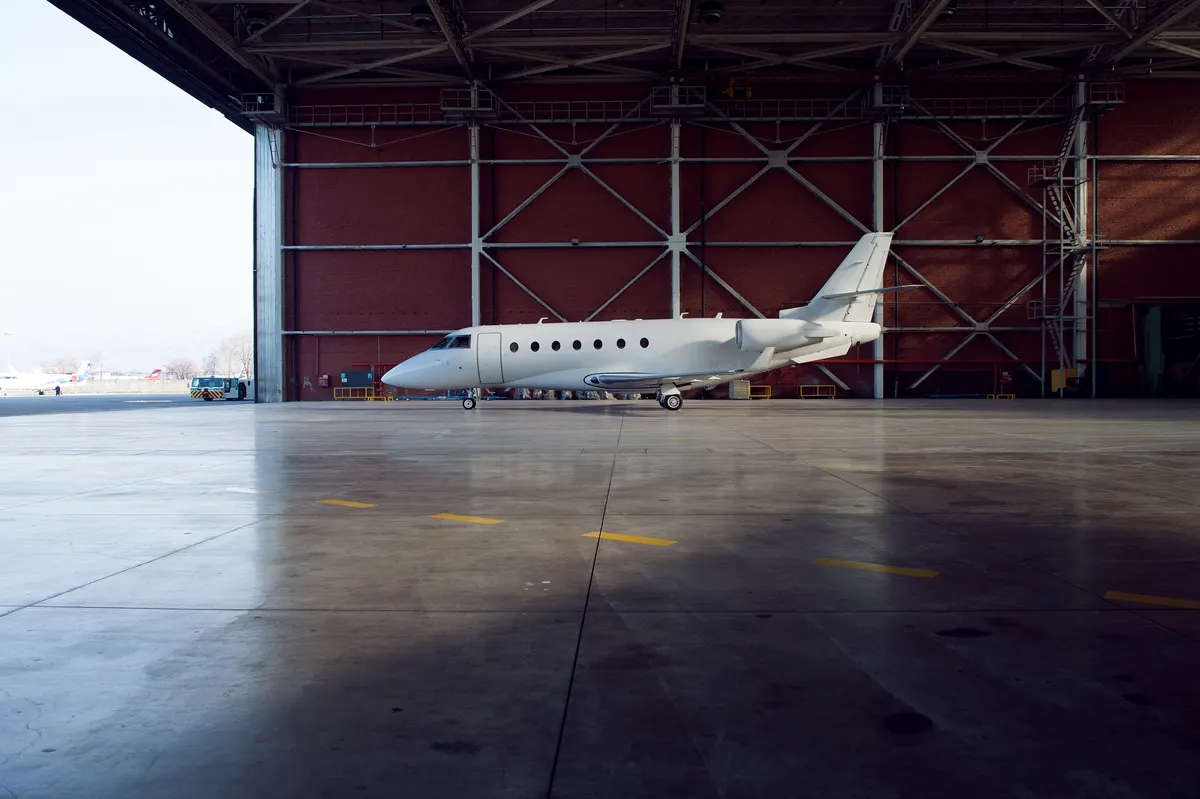
Private jet hangar – high-value transports

Electronics, pharmaceuticals, luxury goods or semiconductors: shipments with a high goods value are preferred targets for cargo theft – curtain slashers at rest areas cause millions in damage every year, and the carrier's standard liability often covers only a fraction of it. Speed Logistics' high-value transports secure shipments from around €50,000 goods value to the TAPA FSR-A/B standards: with a sealed trailer, vetted code drivers, an immobiliser and seamless GPS live tracking.

Handling runs as with all our premium services: fixed-price quote within a few hours, personal dispatch around the clock, a direct run without reloading – because every transhipment point is a security risk and every foreign hand on the goods a weak point. On request including value insurance in the amount of the actual shipment value.

Security architecture to TAPA FSR-A/B

The Transported Asset Protection Association (TAPA) defines the industry standard for secured road transports with its Freight Security Requirements (FSR). Our high-value traffic is built accordingly to FSR-A/B:

  • Sealed trailer: hard-sided or secured trailers with documented sealing – every opening is provable
  • Code drivers: vetted, trained drivers with defined security protocols for breaks, refuelling and handovers
  • Immobiliser and door sensors: the vehicle is secured against unauthorised use and opening
  • GPS live tracking with geofencing: route deviations and unplanned stops immediately trigger a response from the dispatch team
  • Secured parking areas: breaks only at predefined, monitored parking spaces along the route

How a high-value transport works

Before the start of the journey we jointly define the security level: goods value, route, stop concept and insured sum are fixed in writing. The route is planned with secured parking areas, and the consignee is involved via a handover protocol with seal numbers – unloading only takes place when the seal number matches. During the journey the 24/7 dispatch team monitors position and seal status; delivery takes place documented against an identity check of the accepting person.

Discretion and two-driver crew

High-value loads stay invisible with us: no goods description on papers carried on the outside of the vehicle, no indication of the contents, no conspicuous routines. For long distances we recommend the two-driver crew – the vehicle runs almost without demurrage in compliance with the EU Mobility Package, which drastically reduces the theft risk at rest areas and at the same time shortens the transit time.

Which goods high-value transports are suited to

Typical shipments are consumer electronics and smartphones, semiconductors and server components, pharmaceuticals, watches, jewellery and luxury goods as well as sensitive prototypes before market launch. We also cover combined requirements – such as high-value and at the same time temperature-sensitive goods – with suitable equipment. Cross-border we run secured traffic across Europe and to non-EU countries including customs clearance. We give you the fixed price per lane and security level bindingly in advance – within a few hours of your enquiry.

Why high-value does not belong in groupage

In network traffic, high-value goods pass through several depots, are transhipped by changing staff and stand overnight on handling areas – each of these stations is a potential weak point that can neither be monitored nor insured like a closed transport chain. The secured direct service, by contrast, keeps the chain in one hand from loading to the seal check at the consignee: one vehicle, one documented load space, continuous monitoring by the same dispatch team.

Frequently asked questions: High-Value Transports

From what goods value does a shipment count as a high-value transport?

As a guideline, a shipment value from around €50,000 applies. From this value, theft risk and insurance requirements rise significantly, so that secured traffic with a sealed trailer, code drivers and GPS monitoring is worthwhile. Speed Logistics checks per shipment which security level is economically sensible – not every consignment needs the full build stage.

What does TAPA FSR-A/B mean in transport?

TAPA FSR (Freight Security Requirements) is the industry standard of the Transported Asset Protection Association for secured road transports. Levels A and B define graduated requirements for vehicle securing, sealing, driver protocols, tracking and secured parking areas. Speed Logistics' high-value transports are built to these requirements.

What is a sealed trailer?

A sealed trailer is a sealed trailer – usually with hard sides instead of a curtain – whose doors are closed with documented, numbered seals. Every opening is thereby provable. At the consignee, the seal number is checked against the handover protocol before unloading – the integrity of the load is seamlessly documented.

How does Speed Logistics protect against cargo theft at rest areas?

Breaks only take place at predefined, secured parking areas; GPS tracking with geofencing reports route deviations and unplanned stops immediately to the 24/7 dispatch team. On long distances, a two-driver crew reduces demurrage to a minimum – the vehicle runs almost continuously and offers hardly any point of attack.

Are the goods insured during a high-value transport?

Yes. For high-value transports, Speed Logistics offers value insurance whose sum is aligned before the start of the journey with the actual shipment value – considerably beyond the carrier's statutory standard liability. Goods value, route and insured sum are fixed in writing, and the handover is documented via a protocol with seal numbers and identity check.

Which goods are typically run as a high-value transport?

Typical are consumer electronics and smartphones, semiconductors and server components, pharmaceuticals, watches, jewellery and other luxury goods as well as sensitive prototypes before market launch. Decisive is the combination of high goods value and theft appeal – such shipments Speed Logistics runs exclusively as a secured direct run without reloading, so the transport chain stays seamlessly in one hand.

Which mistakes increase the theft risk with valuable shipments?

Risky are groupage with multiple transhipment, unsecured rest areas and goods descriptions on externally carried papers that reveal the value of the load. Speed Logistics avoids this through a secured direct run without reloading, predefined monitored parking spaces, discretion to the outside and, on long hauls, a two-driver crew that minimises demurrage.

Why does high-value goods not belong in groupage?

In network traffic, high-value goods pass through several depots, are transhipped by changing staff and stand overnight on handling areas – each of these stations is a weak point that can neither be monitored nor insured like a closed chain. The secured direct service, by contrast, keeps the chain in one hand from loading to the seal check at the consignee.

Request high-value transports

Contact our dispatch team – fixed-price quote within hours, available 24/7.