Skip to content

Pharma Transport (GDP) – pharmaceuticals with a seamless cold chain

In pharma transport, Good Distribution Practice (GDP) applies: medicines run GDP-compliant in the climate windows 2–8 °C or 15–25 °C, with active climate technology and IoT monitoring including real-time alerts. A temperature excursion of a few degrees can render a whole batch unusable.

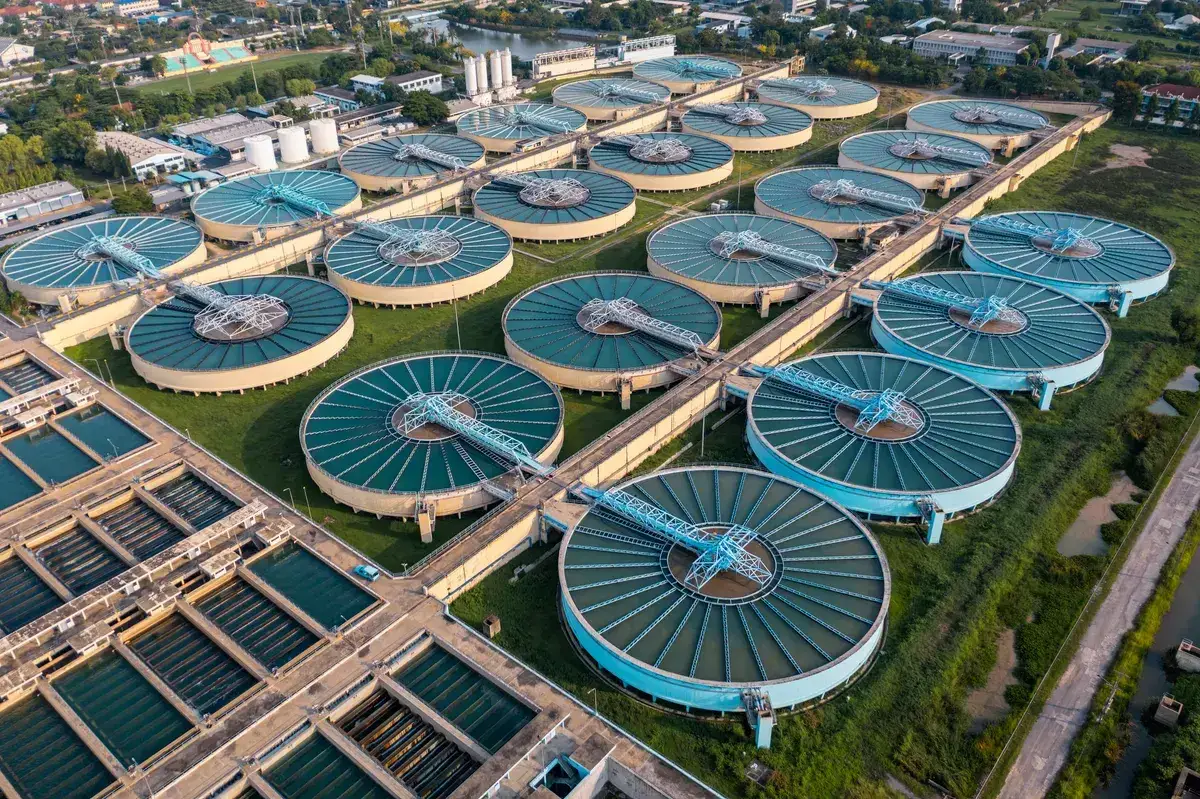
Aerial view of an industrial plant

In pharma transport the requirements of Good Distribution Practice (GDP) apply: pharmaceuticals must be transported in such a way that quality and integrity are preserved across the entire supply chain – with defined temperature control, qualified processes and seamless documentation. A temperature excursion of a few degrees can render a whole batch unusable; the cold chain must be planned accordingly without compromise.

Speed Logistics runs pharma transports GDP-compliant as a direct run without transhipment – in the two pharma-relevant climate windows 2–8 °C (cold chain) and 15–25 °C (controlled room temperature). The personal dispatch team is reachable around the clock, and you receive the fixed-price offer within a few hours.

Scope of services in GDP transport

  • Active temperature control: vehicles and active climate containers hold the target window 2–8 °C or 15–25 °C independently of the outside temperature – even in summer heat and border waiting times.
  • IoT monitoring with real-time alerts: sensors record the temperature continuously; on deviations the system immediately alerts dispatch, which intervenes before an excursion arises.
  • Audit trail: seamless temperature and handover documentation from loading to delivery – as proof for your Qualified Person and regulatory audits.
  • Premium handling: direct run without transhipment, trained staff, documented handovers at defined points.

Process: qualified instead of improvised

Before the first transport we align the requirements with your quality management: climate window, measurement intervals, alarm limits, procedure in case of deviations and the form of documentation. After that every transport runs according to this defined process – from the pre-conditioned load space through the temperature check on collection to the temperature log you receive with the proof of delivery. In case of deviations a defined escalation path applies instead of the driver's ad-hoc decisions.

Pharma transports to non-EU countries: Gulf, Türkiye, North Africa

Pharma exports to non-EU countries combine cold chain and customs clearance: we run temperature-controlled direct transports to Türkiye, North Africa and the Gulf region – including the export declaration, door to door from EXW to DDP. For Saudi Arabia we take into account the SFDA (Saudi Food and Drug Authority) requirements for import and temperature proof; the necessary registrations of your products we align in advance with your importer.

Cost of a GDP transport

Because of climate technology, monitoring and documentation, GDP-compliant transports usually run 30–50 % above the standard transport price. Depending on climate class, volume and distance the non-binding guide value is around €499–4,999 – in return you receive an auditable cold chain instead of a residual risk for the entire batch.

Typical shipments and clients

In GDP transport we move vaccines and biologics in the 2–8 °C cold chain window, finished medicines and OTC products at controlled room temperature, active pharmaceutical ingredients (API) for production as well as clinical trial samples with particularly strict documentation. Clients are pharmaceutical manufacturers and contract manufacturers (CMO/CDMO), pharmaceutical wholesale as well as companies in clinical research.

Each of these product groups brings its own requirements – from the measurement interval through alarm limits to the question of who decides in the event of a deviation. These parameters we define before the first trip together with your quality management and record them bindingly for all follow-up transports. In this way the single transport becomes a qualified, repeatable process that your Qualified Person can substantiate towards auditors.

Pharma climate windows at a glance
Temperature classRangeTypical goods
Cold chain+2 to +8 °CVaccines, biologics
Controlled room temp.+15 to +25 °CFinished medicines, OTC

Frequently asked questions: Pharma Transport

What does GDP mean in pharma transport?

GDP (Good Distribution Practice) is the EU guideline for the good distribution practice of medicines. Among other things it requires defined temperature control, qualified processes, trained staff and seamless documentation of the supply chain. For you that means: every transport step is traceable and can be substantiated towards authorities and auditors.

Which temperature ranges does the pharma transport cover?

The two pharma-relevant climate windows: 2–8 °C for cold-chain medicines such as vaccines and biologics, and 15–25 °C for products at controlled room temperature. Active climate technology holds the target window independently of the outside temperature – even in summer heat or waiting times at borders. Both windows are continuously monitored by IoT sensors and fully documented, from loading to handover to the recipient.

How does the IoT monitoring work during transport?

Sensors in the load space measure the temperature continuously and transmit the values in real time. As the temperature approaches the alarm limit, dispatch is immediately notified and intervenes before an excursion arises. After delivery you receive the complete temperature log as part of the audit trail.

What happens in the event of a temperature deviation en route?

An escalation path defined in advance with your quality management applies: dispatch is informed by real-time alert, checks the cause, initiates corrective measures and documents the process fully. Your Qualified Person receives all the data to decide on the release of the goods on solid grounds – nothing is delivered silently.

Why is a GDP transport more expensive than a standard transport?

Active climate technology, continuous IoT monitoring, qualified processes and full documentation cause additional costs of usually 30–50 % over standard freight. Depending on climate class, volume and distance the non-binding guide value is around €499–4,999 – measured against the value of a pharma batch, a manageable safeguard.

What must be considered for pharma exports to Saudi Arabia?

The SFDA (Saudi Food and Drug Authority) sets its own requirements for product registration, import documents and temperature proof. Speed Logistics aligns these points with your importer before the transport and supplies the seamless temperature documentation for the import – as a temperature-controlled direct run including customs clearance from EXW to DDP.

Which mistakes endanger the GDP compliance of a pharma transport?

Risky are improvised instead of qualified processes: undefined alarm limits, unclear measurement intervals and the driver's ad-hoc decisions in the event of a deviation. Speed Logistics defines the climate window, measurement intervals, alarm limits, the procedure for deviations and the form of documentation before the first transport with your quality management and records them bindingly for all follow-up runs.

Why are the climate window and escalation path defined before the first trip?

Only in this way does the single transport become a qualified, repeatable process that the Qualified Person can substantiate towards auditors. In the event of a deviation a predefined escalation path then applies instead of a spontaneous driver decision – dispatch is informed by real-time alert, documents the process and supplies all the data for the release decision.

Request pharma transport

Contact our dispatch team – fixed-price quote within hours, available 24/7.