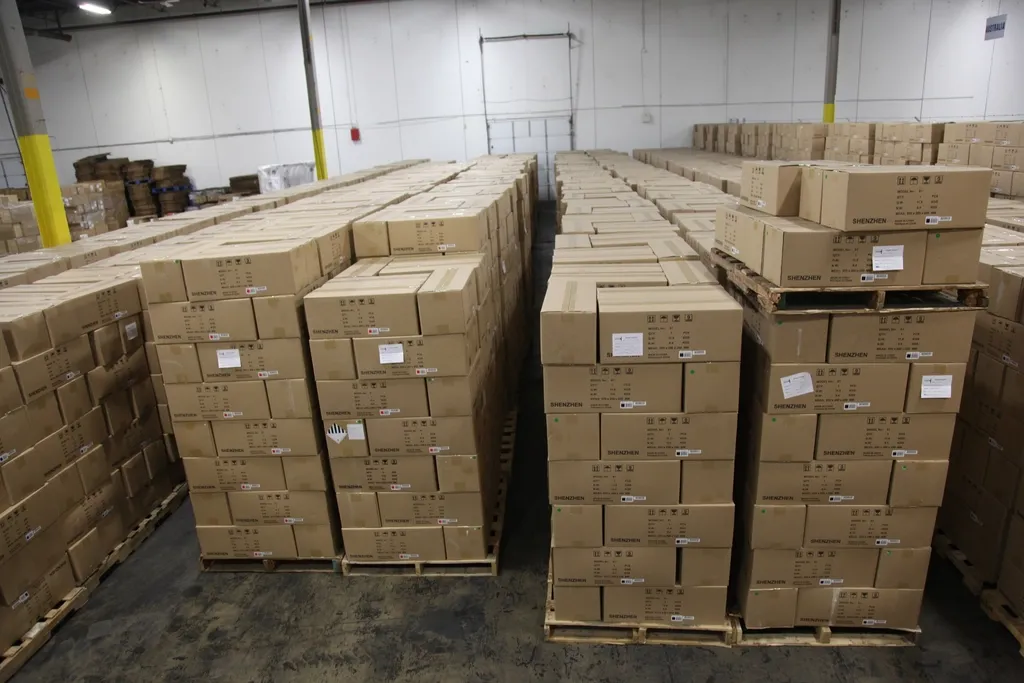
Between the single pallet and the full truckload lie two transport solutions that are often confused: groupage and part load. Both bundle freight from several principals on one vehicle and are thus cheaper than a full truckload – but they work differently and cost for different reasons. Anyone who understands the mechanics chooses the more economical option and avoids nasty surprises with transit time or handling. This guide compares both along the factors that drive the price. The complete overview of transport costs and the binding fixed price are delivered by the dispatch team per shipment.
Groupage: many transhipments, low individual price
With groupage – also called general cargo – individual pallets or packages go via a network of transhipment terminals. Your goods are collected from the shipper, brought to a depot, consolidated there with other shipments, driven by main leg to the destination depot and delivered from there. This hub-and-spoke principle makes small shipments very economical because many principals share the costs. The price is based on weight and loading metres, or freight-chargeable weight. The downside: several transhipments mean longer transit times and a higher handling risk for sensitive goods.
Part load: direct route, medium quantity
The part load (LTL, “Less than Truck Load”), by contrast, usually bundles only a few larger shipments on one vehicle that runs a more direct route. Your goods are transhipped less often or not at all and often stay on the same truck to the destination. This reduces transit time and risk of damage compared with groupage – at a price that lies above the groupage individual price but below the full truckload. The part load is the classic middle way for shipments that are too big for economical groupage but too small for a dedicated full truckload – typically around 4 to 14 pallet spaces.
The cost comparison: what matters
Three variables decide the cheaper option. First, the quantity: up to a few pallets, groupage is almost always cheapest; as the number of pallets rises, the advantage tips towards the part load. Second, the transit time: if one or two days more make no difference, groupage plays out its price advantage; where dates matter, the faster part load is often cheaper than expensive rework. Third, the risk: sensitive, high-value or bulky goods tolerate several transhipments poorly – here the low-transhipment part load can be the more economical choice despite a higher base price, because damage and complaints are eliminated.
Common mistakes in the choice
The most expensive mistake is looking solely at the lower groupage base price. At six or more pallets a part load can be cheaper on balance – and is almost always faster and gentler. A second mistake is stating dimensions and weight incorrectly: if bulky goods are calculated too tightly, a recalculation by the actual freight-chargeable weight follows. And third, many underestimate the handling risk: what looks cheap on paper becomes expensive when sensitive goods run over four transhipments.
Packaging and freight-chargeable weight: the silent cost variable
Especially with groupage, the packaging decides the price more strongly than many expect. Because the goods run over several transhipments, they must stand stackable and forklift-capable on standardised pallets; loose, overhanging or non-stackable packages block loading area and are billed by a higher freight-chargeable weight. This freight-chargeable weight is the higher of actual weight and volumetric weight – so for light, bulky goods the volume counts. Anyone who palletises their shipment cleanly, minimises the volume and packs it stackable lowers the groupage price noticeably. With the part load this effect is smaller because less is transhipped, but here too: clear dimensions and stackable loads make the quote cheaper and more reliable.
How you decide correctly
Tell the dispatch team quantity (pallets and loading metres), weight, goods sensitivity and your latest delivery date. Speed Logistics then compares both options with transit time and fixed price and recommends the more economical one – without hidden surcharges, by phone around the clock on +49 (0)30 346 467 850. Further approaches to reducing costs are bundled in the guide Reducing Transport Costs. That way you never pay more than your shipment truly needs.